
Pubs and live music venues have had their business rates cut. Restaurants, cafés and hotels have not, and the Budget on 28 October may or may not change that. For most of the operators we work with, the sensible move is to plan for no help at all and put the effort into something they fully control: how often existing guests come back.
That is the work we do every day at TheLoyaltyCo. Adam Purslow, our founder, built Club Individual at Individual Restaurants back in 2011 and has 23 years in hospitality tech behind him. What he learned there still holds. When costs climb, the cheapest cover you can sell is a repeat visit from a guest who already enjoys coming in.
What UK operators are up against
Start with tax. On 1 October, UKHospitality and the British Retail Consortium published analysis showing that hospitality pays the equivalent of 82p in business taxes for every £1 of pre-tax profit. No other sector pays more, and the average across sectors is 50p (UKHospitality, 1 October 2026).
Then rates. Pubs and live music venues received 15% relief for 2026/27, with a further 20% cut to follow from April 2027. Restaurants, cafés and hotels got neither (GOV.UK). April’s revaluation pushed some bills up by as much as 80%, although the increases are being phased in (The Business Investor).
One idea floated ahead of the Budget is raising the small business rates relief threshold from £12,000 to £17,096. That would help very small sites. A mid-sized restaurant group in a city centre would barely feel it.
Our view is that next year’s numbers should be built on the rates you pay today. If something useful comes out of the Budget, count it as upside.
Why a discount is a costly way to fill seats
A quiet patch usually brings out the 20% off voucher or the two-for-one. It may rescue a Tuesday night, but guests quickly learn to hold off until the next offer lands.
It also misses what guests say pushes them away. The Paytronix 2026 Loyalty Report found that 54% of consumers cited a change in menu quality, and 49% cited price increases, as major reasons they stopped visiting a brand they had been loyal to (Restaurant Dive). Trimming portions to protect margin costs you regulars. Blanket discounts hand money to your best guests for visits they were going to make anyway.
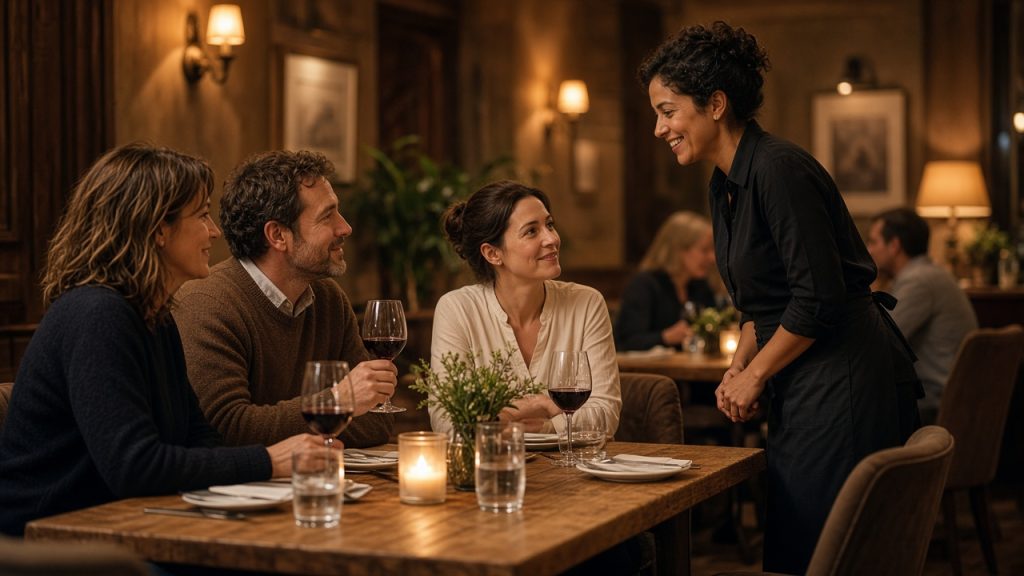
That budget does more when it goes on knowing exactly who your regulars are, treating them well, and giving one-time visitors a proper reason to return.
A small group of guests carries a big share of revenue
Most operators underestimate how concentrated their revenue is. In one UK programme Adam worked on, VIP guests made up 3.2% of active members but 17.2% of spend. At Individual Restaurants, at the programme’s peak, roughly half of group sales went through on a loyalty card.
Once that much revenue is linked to guests you can name, even a small lift in how often they visit shows up in the P&L. That is why we treat loyalty as a margin tool during a cost squeeze rather than a marketing extra. Rates and wages are largely out of your hands. Visit frequency is not.
A sign-up is only the start
Plenty of UK loyalty programmes are run like a launch. The app goes live, sign-ups look healthy, and after that no one is responsible for what happens next.
According to Paytronix, the first 90 days after a guest joins decide whether loyalty takes hold (Paytronix via GlobeNewswire). Incentivio benchmarked more than 4,000 restaurant locations and found that a median of 59.5% of members ever activate (Restaurant Magazine). Put another way, about four in ten guests who shared their details never came back to use them.
It can be worse. In a UK scheme Adam worked on that had no engagement activity in place, 82% of new active members had lapsed within a year. The cause was missing follow-up rather than the technology, and missing follow-up can be fixed.
TUI shows the other side. Its first global loyalty programme launched in May, passed one million members in under six months, and 38% of members have already booked their next TUI product (TUI Group, 15 October 2026). Somebody at TUI owns the next booking, not only the sign-up.
Big programmes want your diners too
Global hotel groups are chasing restaurant spend as well. In the Gulf, Marriott Bonvoy is offering double points at participating restaurants and lounges in the UAE, Saudi Arabia, Qatar and Egypt until 31 October, and guests do not need a hotel stay to earn them (More Cravings by Marriott Bonvoy). Independent and mid-sized operators will not win a points war against a programme of that size. Where they can win is in knowing their guests personally, in a way a global scheme cannot.
Five things to do before 28 October
- Plan on today’s rates. Base your 2027 forecast on what you pay now and treat any relief from the Budget as a bonus.
- Identify your top 10% of guests. Use last year’s data from your booking system, loyalty platform or card transactions to see who visits most. If that takes more than an afternoon, sorting out your data comes first.
- Test your first 90 days. Sign up to your own programme with a fresh email address. If the welcome email is the last thing you receive, new members are slipping away.
- Calculate what rewards really cost. Total everything you gave away last quarter, bonus points and promotions included, and divide it by member sales. That figure, not the headline rate, is your true reward cost.
- Bring one lapsed group back. Pick guests who came in twice or more last year but not in the last 90 days, and send them something personal rather than a blanket discount.
Talk to us about your regulars
Helping UK hospitality groups find their regulars and keep them coming back is what TheLoyaltyCo does. If you would like a second pair of eyes on your current setup before the Budget, or you are thinking about starting a regulars programme, get in touch at theloyaltyco.app. We are happy to talk it through.